Genre
Side-scrolling action shooter with platforming, scanning, movement-based combat, and enemy encounters that reinforce each chapter’s theme.
An action-driven side-scrolling game concept built around visibility, control, and bringing order to chaotic environments. This project begins as a written showcase and visual gallery, and will later expand into original artwork, sprite work, enemy concepts, and a final playable build.
The game turns security and asset-visibility themes into a chapter-based action experience. Each chapter represents a different operational domain, with its own environment, enemy design language, and boss encounter.
Side-scrolling action shooter with platforming, scanning, movement-based combat, and enemy encounters that reinforce each chapter’s theme.
Dark, high-contrast environments shift across the game’s chapters, from hidden and fragmented systems to exposure storms and finally into bright identity-controlled spaces.
The Operator moves from fragmented visibility toward full system clarity, ending in a final showdown against a force built from noise, hidden systems, broken trust, and disorder.
The Operator is the central character of Signal vs Noise — built to feel grounded, readable, and visually strong as the project evolves from concept art into a full game.
The Operator is a bearded hero wearing a black hoodie marked with a bold orange-and-white chest emblem, blue jeans, and orange-accented sneakers. His silhouette is designed to be memorable in high-resolution artwork now and adaptable later for sprite work and animation.
He moves through broken environments with a scanning pulse and a futuristic phaser weapon, restoring visibility and control across fragmented digital worlds.
This character anchors the entire project visually and narratively, serving as the player’s guide through hidden systems, unstable environments, deceptive access layers, and increasingly dangerous enemies.

Each chapter is designed to stand on its own visually and mechanically while contributing to the full arc of the game.
A fragmented world filled with hidden devices, incomplete records, and systems that exist outside visibility. The player restores order by scanning the environment, revealing Ghost Devices, and stabilizing the inventory layer by layer.
As visibility improves, a second class of threat emerges: Rogue Terminals — systems that appear known but are actually corrupted, misconfigured, or operating outside of control. These terminals anchor sections of the environment, attack with patterned bursts, and force the player to navigate space more carefully.
As instability increases, Duplicate Entities begin to appear — conflicting versions of the same asset that split, overlap, and multiply. These entities turn one threat into many, forcing the player to resolve identity conflicts while maintaining control of the environment.
As the inventory layer destabilizes further, Orphan Nodes begin to appear — drifting systems with no ownership or accountability. These floating entities disrupt platforms, interfere with scanning, and attack from above, forcing the player to adapt to threats beyond the ground layer.
Together, Ghost Devices, Rogue Terminals, Duplicate Entities, and Orphan Nodes represent the full spectrum of asset risk — from completely unknown systems, to corrupted known assets, to conflicting data, to unowned systems with no control boundary. Mastering all four is key to restoring clarity, control, and stability across the inventory layer.
A hostile zone where vulnerabilities, threats, and misconfigurations collide. The player must survive escalating attacks while learning to identify what matters most under pressure.
Chapter 2 shifts the pace from discovery to urgency. Instead of methodically revealing what is hidden, the player is forced to react as danger arrives quickly, stacks aggressively, and becomes harder to control the longer it is ignored.
The chapter begins with the CVE Swarm, a fast-moving cluster of vulnerabilities that builds pressure through speed and accumulation. It then escalates into the Exploit Weaver, a control enemy that turns exposures into active attack paths by linking systems together across the battlefield.
The third revealed enemy is the Alert Storm — a vortex of warning panels, false signals, and high-priority chaos that overwhelms the environment with noise and forces the player to identify what actually matters before the real threat disappears inside the clutter.
The fourth enemy is Firey Core, a catastrophic breach-state threat where pressure, exploit chaining, and overload collapse into a single unstable point of impact. It represents the moment when exposures stop being theoretical and become active damage.
A bright, open security district filled with checkpoints, access gates, mirrored paths, and clean architectural lines. Unlike the storm-driven chaos of Chapter 2, this chapter hides its danger behind clarity, trust, and the illusion of order.
Chapter 3 shifts the game into a more deceptive kind of tension. The environment is sunlit and polished, but movement is shaped by permissions, credentials, and identity-based rules that are not always what they appear to be.
The first revealed enemy is the Identity Echo — a duplicated version of the player that looks legitimate at first glance, but carries false trust and suspicious access. It introduces the idea that in this chapter, danger can look familiar.
The second revealed enemy is the Privilege Phantom — a glowing elevated identity that appears legitimate but carries far more access than it should. It moves through the environment as though rules do not apply, representing overprivileged accounts and the danger of access without proper boundaries.
The third revealed enemy is the Trust Broker — a central identity node that spreads access through hidden relationships, linking users, systems, and permissions into coordinated threats. It introduces the idea that the real danger may come not from one identity alone, but from how trust is inherited and shared.
A broken software landscape full of inconsistent versions, unstable installations, and corrupted environments. The player brings order back to a fragmented stack while fighting through decay.
A skyline of disconnected applications, hidden tenants, and unauthorized services. The player uncovers shadow systems and regains control across a sprawling cloud ecosystem.
A dangerous mechanical zone of controllers, sensors, industrial systems, and connected devices. Cyber and physical threats blend into one environment where movement and timing become critical.
The final encounter merges every previous threat into one collapsing dimension. Hidden assets, active exposures, uncontrolled identities, unmanaged software, shadow SaaS, and hostile cyber physical systems converge into a single force of chaos.
A fragmented world filled with hidden devices, incomplete records, and systems that exist outside visibility. The Operator restores order by scanning, revealing threats, and stabilizing the inventory layer.
Chapter 1 introduces multiple forms of asset chaos: Ghost Devices that remain hidden until revealed, Rogue Terminals that appear known but have become corrupted and hostile, Duplicate Entities that split identity across conflicting records, and Orphan Nodes that drift without ownership or accountability.
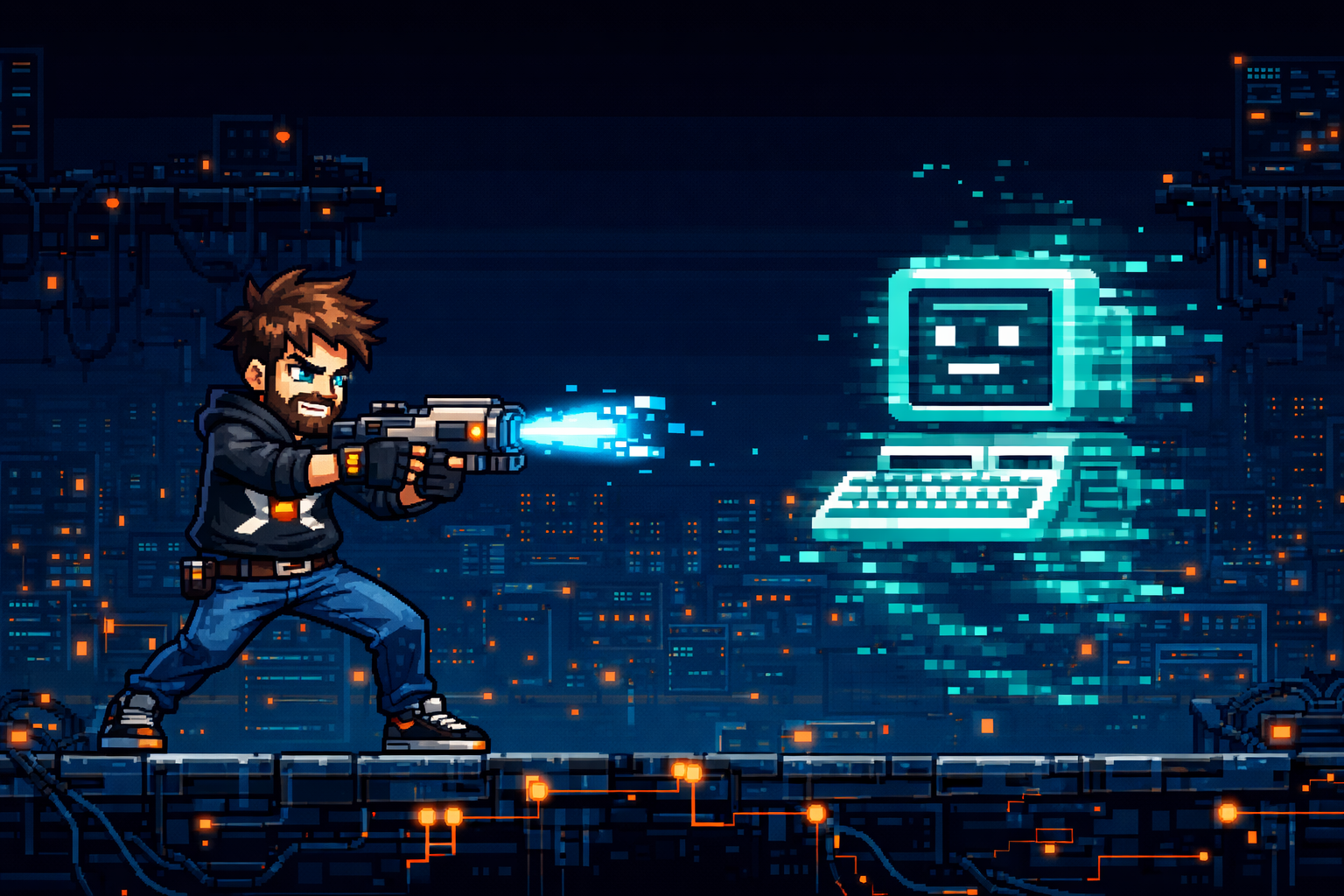
Invisible and unmanaged, Ghost Devices flicker in and out of reality. They cannot be engaged until revealed, making them unpredictable threats.
View Details →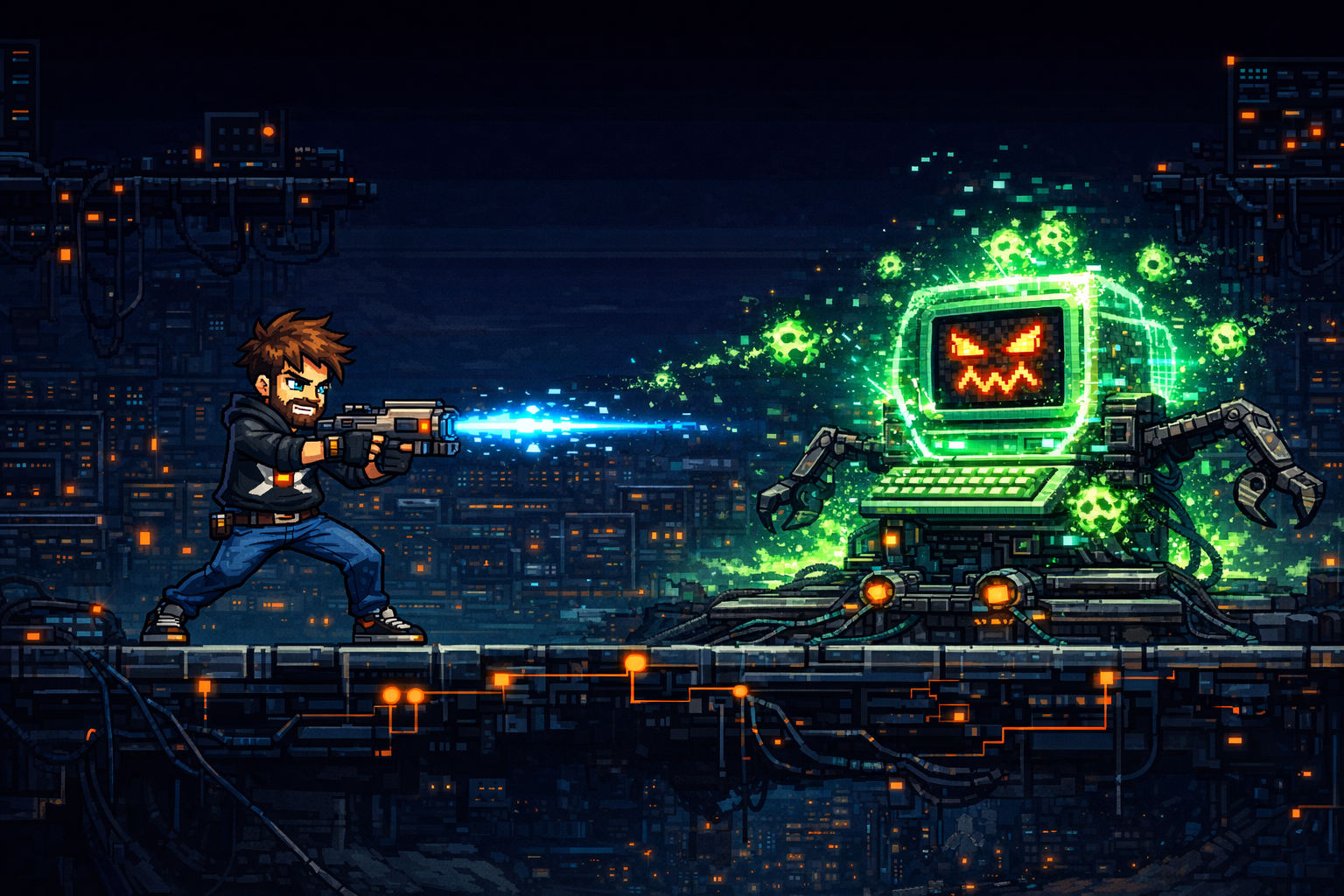
A corrupted machine that controls space and attacks with patterned bursts. It represents systems that look known but are unstable and dangerous.
View Details →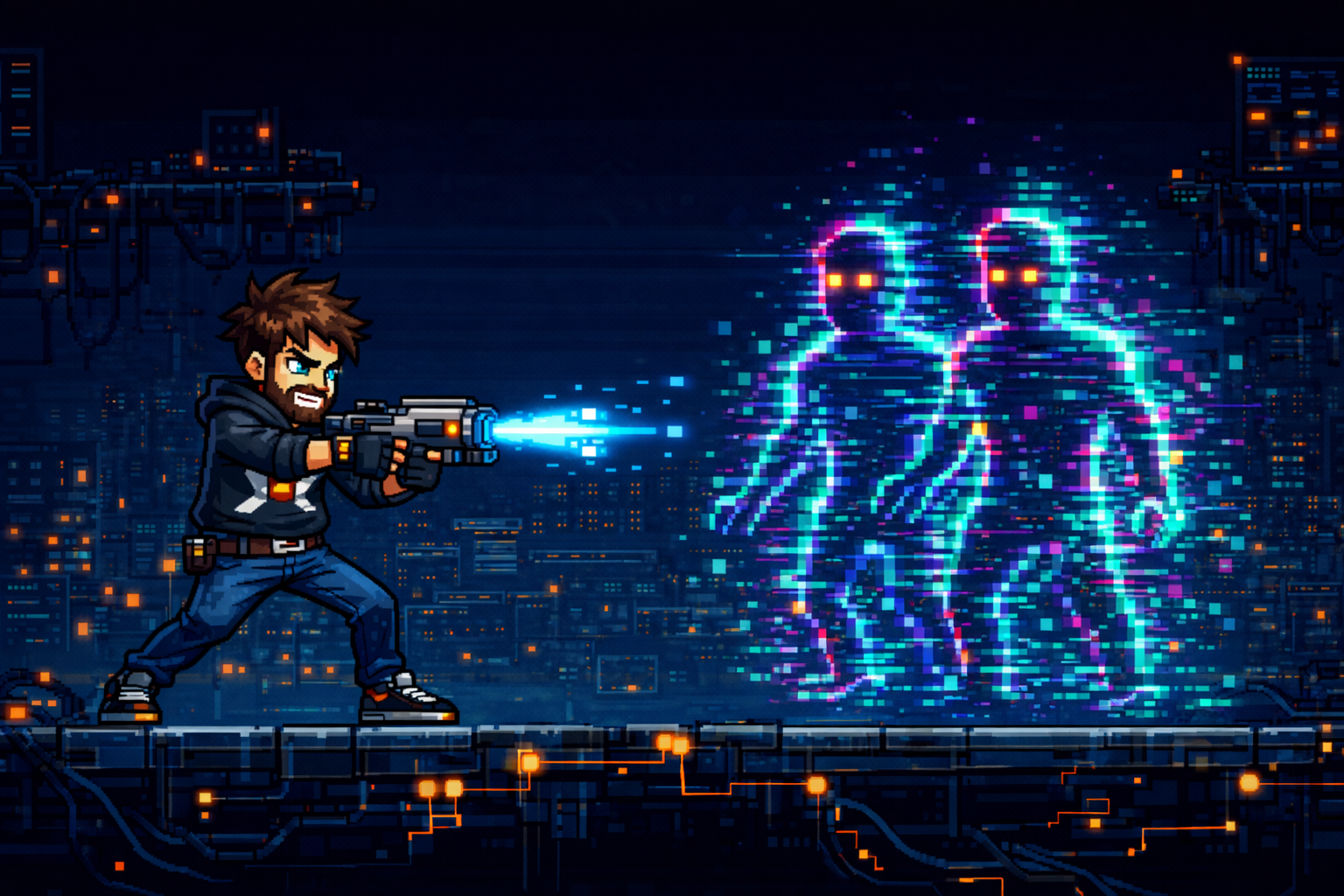
Conflicting copies of the same asset, Duplicate Entities split, overlap, and destabilize the inventory layer by turning one threat into many.
View Details →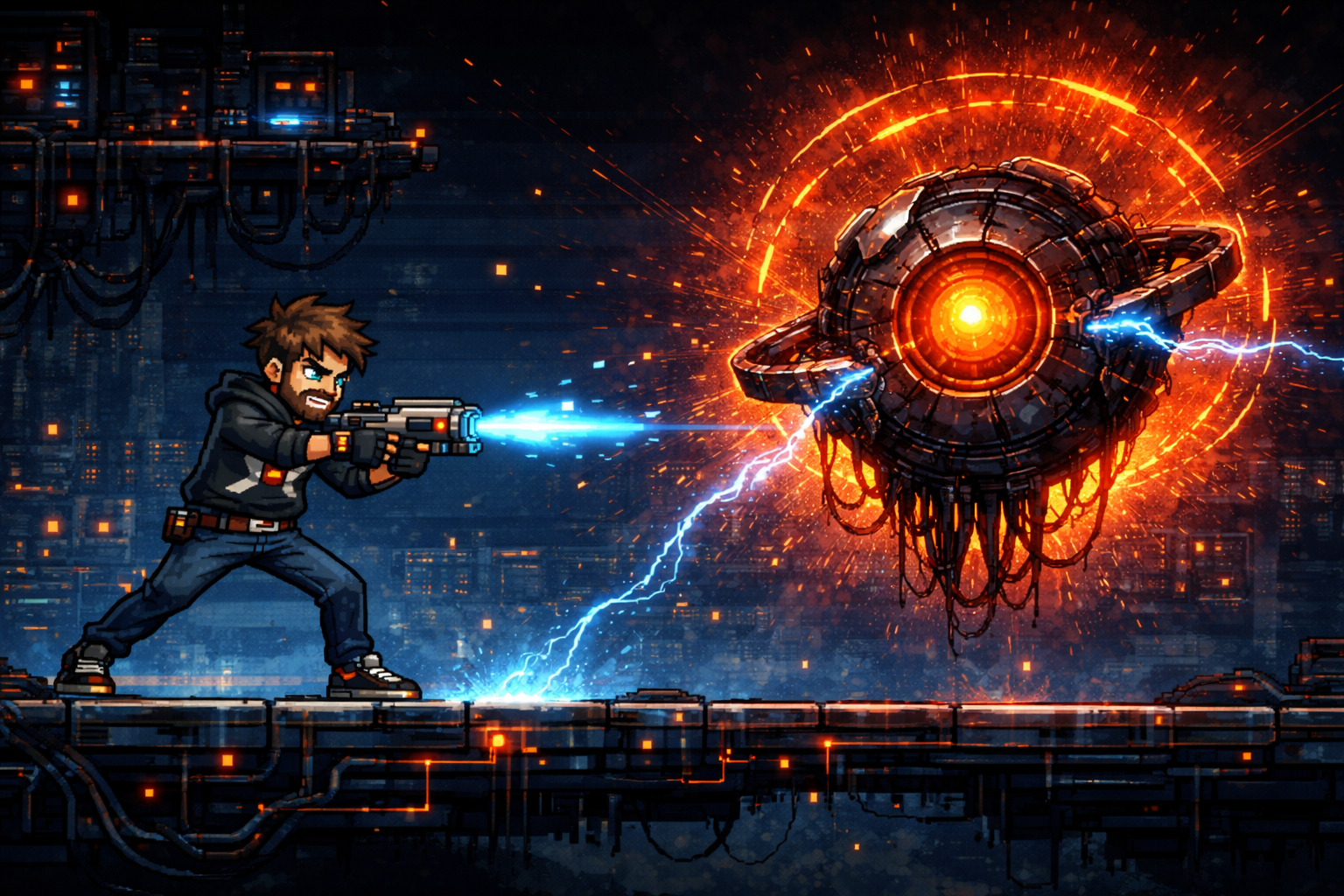
A floating, unowned system fragment that disrupts the environment with unstable energy pulses. It drifts above the battlefield, forcing the player to adapt to threats beyond the ground.
View Details →Chapter 2 is faster, louder, and more aggressive than Chapter 1. Instead of uncovering what is hidden, the player must survive active risk while deciding what to handle first.
The enemies in this chapter are designed to make pressure feel different in each encounter: volume through the CVE Swarm, coordinated control through the Exploit Weaver, overwhelming noise through the Alert Storm, and full breach-state impact through Firey Core.
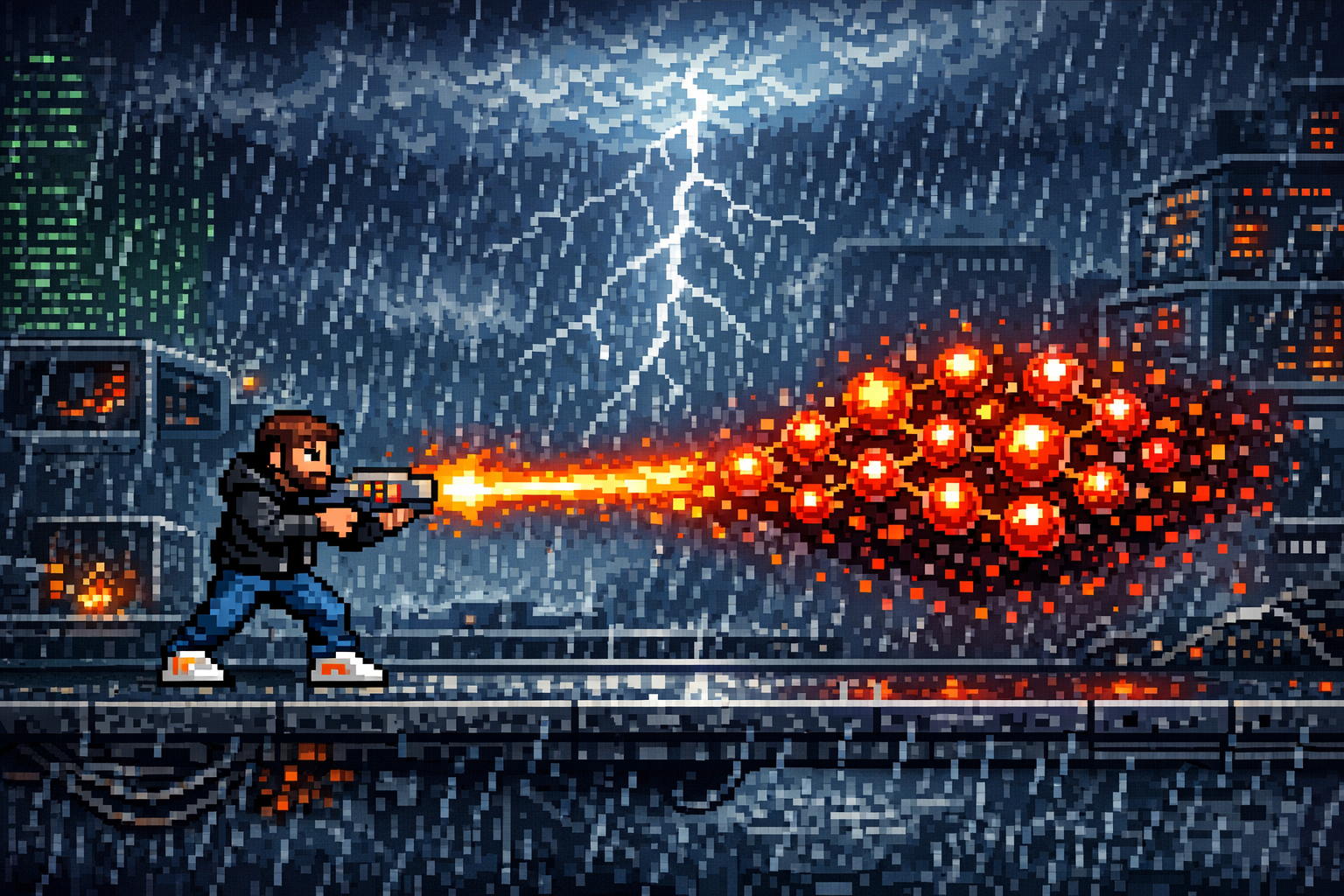
Fast-moving clusters of vulnerabilities that appear manageable alone but become dangerous in numbers. Their threat comes from accumulation, speed, and the pressure they place on the player.
View Details →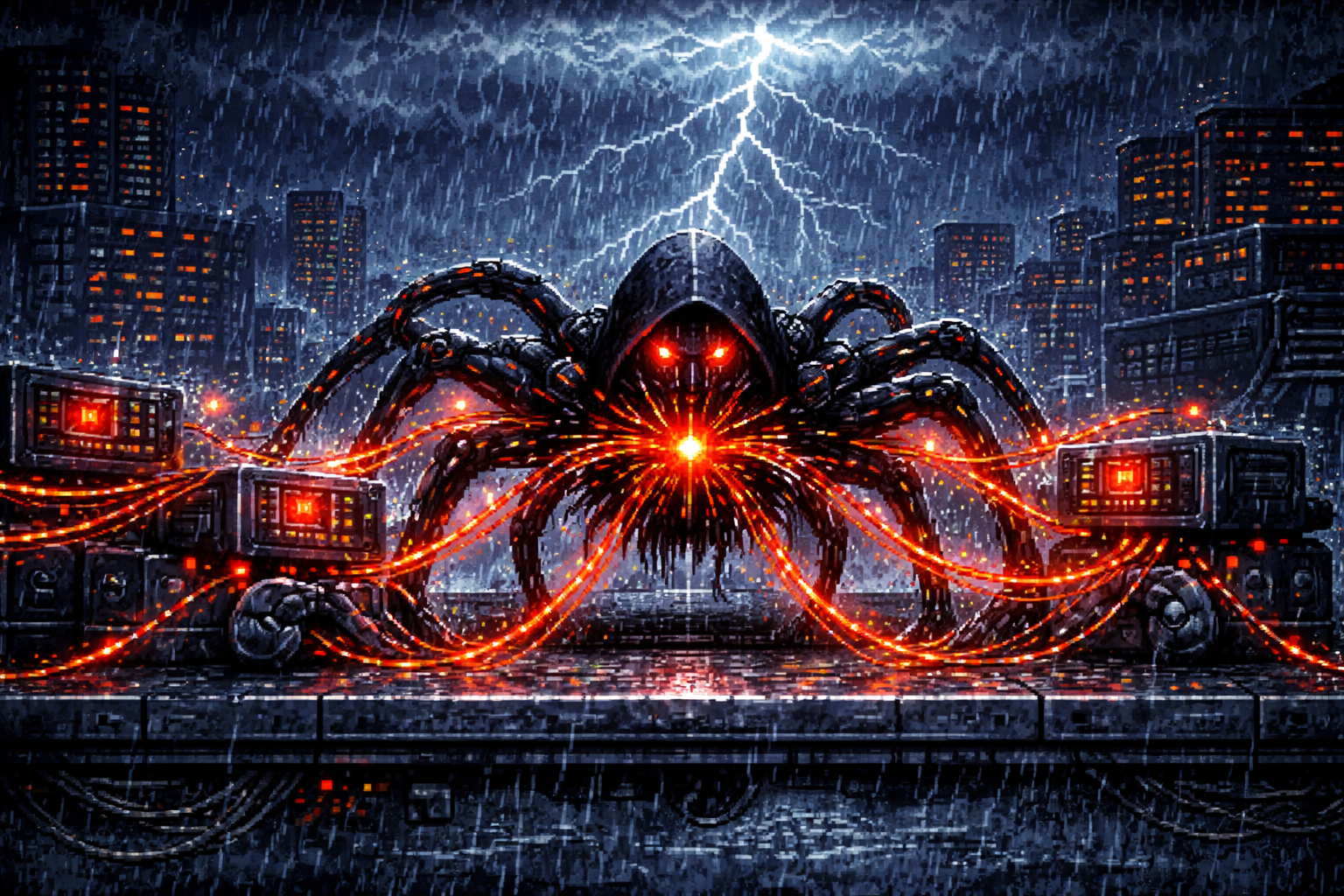
A control-based enemy that links vulnerabilities into active attack paths. It spreads compromise across the environment and forces the player to break connections before attacking.
View Details →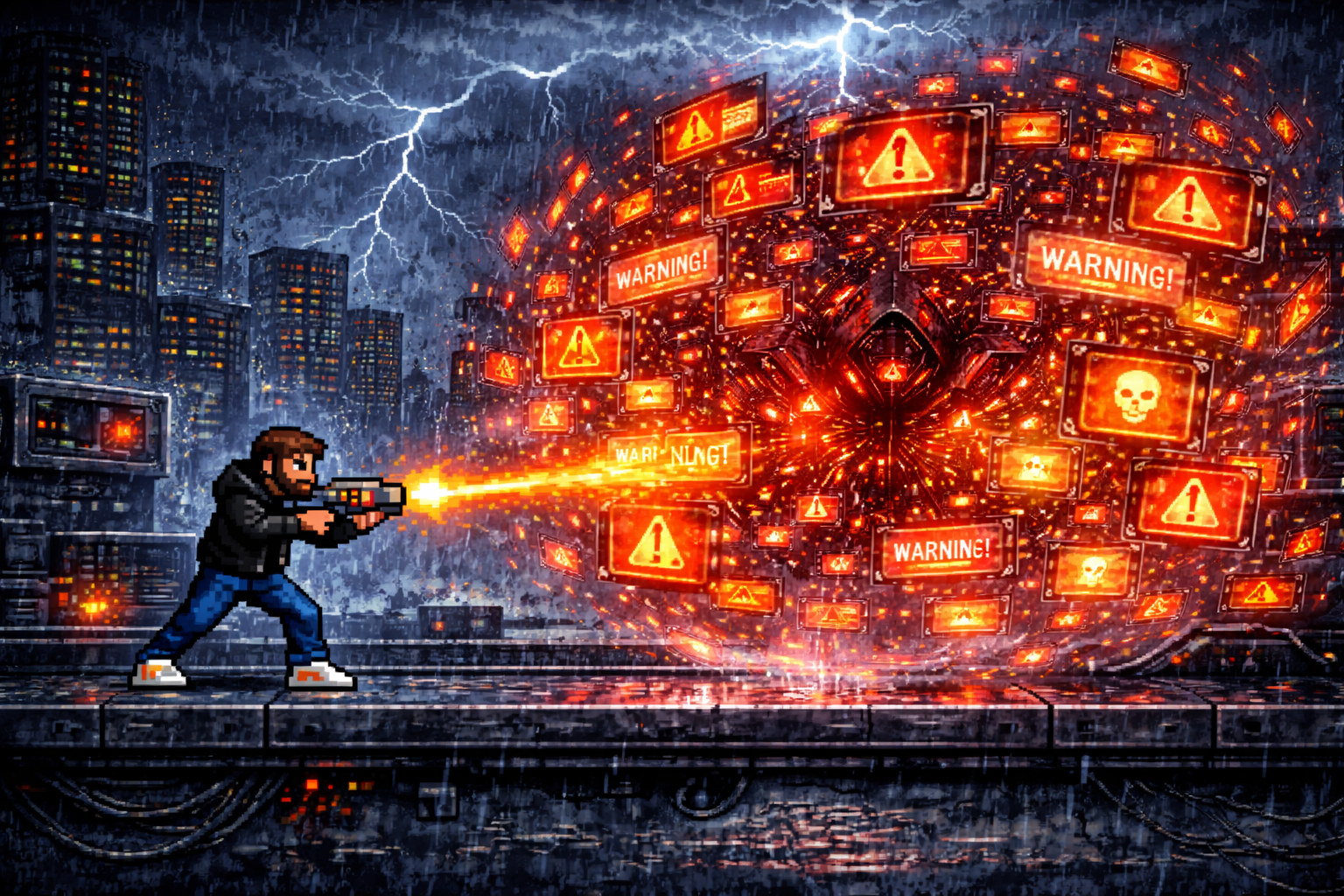
A swirling mass of warning panels, false signals, and critical-looking alerts that buries the battlefield in noise. Its danger comes from confusion, overload, and forcing the player to separate signal from clutter.
View Details →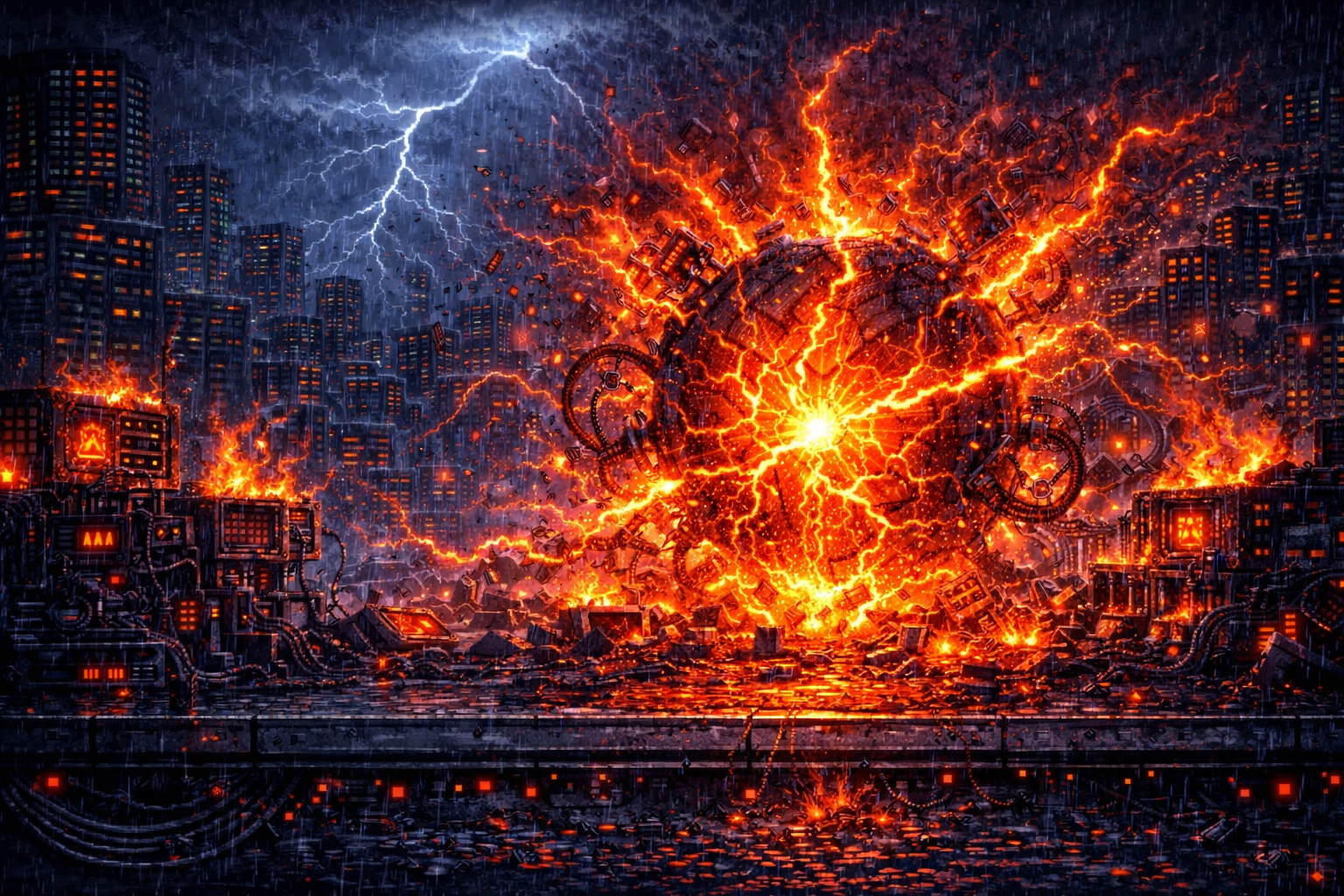
A catastrophic breach-state enemy where vulnerabilities, exploit activity, and system overload converge into one unstable point of impact. It is the clearest sign that Chapter 2 has fully escalated.
View Details →Chapter 3 moves away from the rain, lightning, and pressure of Exposures and into a bright, outdoor access-controlled environment. The world feels safer on the surface, but trust, access, and legitimacy become the new source of danger.
The enemies in this chapter are built around identity deception and permission risk: first through the mirrored false trust of the Identity Echo, then through the elevated, rule-bending authority of the Privilege Phantom, and now through the connected relationship-driven power of the Trust Broker.
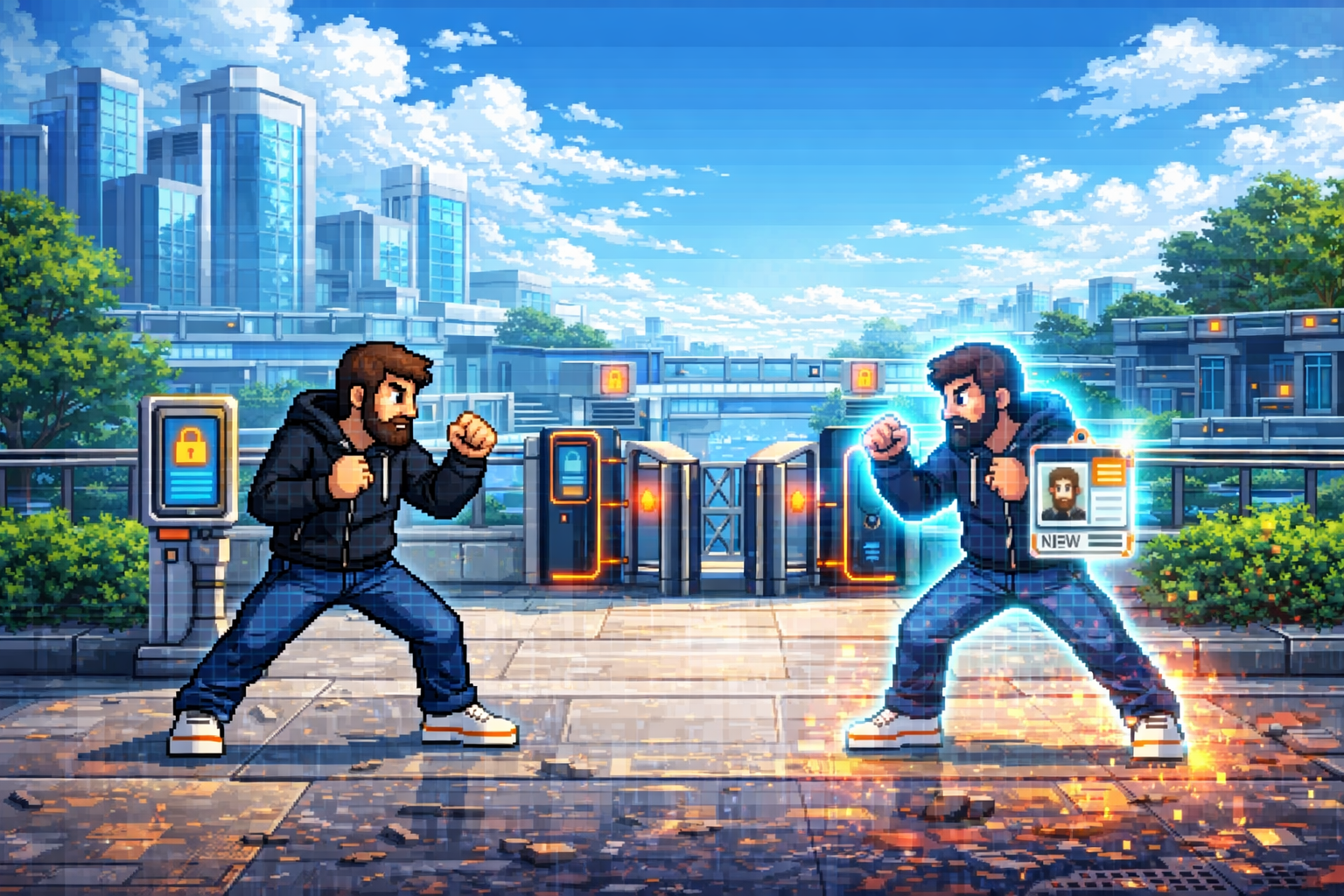
A deceptive duplicate that mirrors legitimate users and weaponizes trust. Its threat comes from imitation, false credentials, and the confusion of determining what is real.
View Details →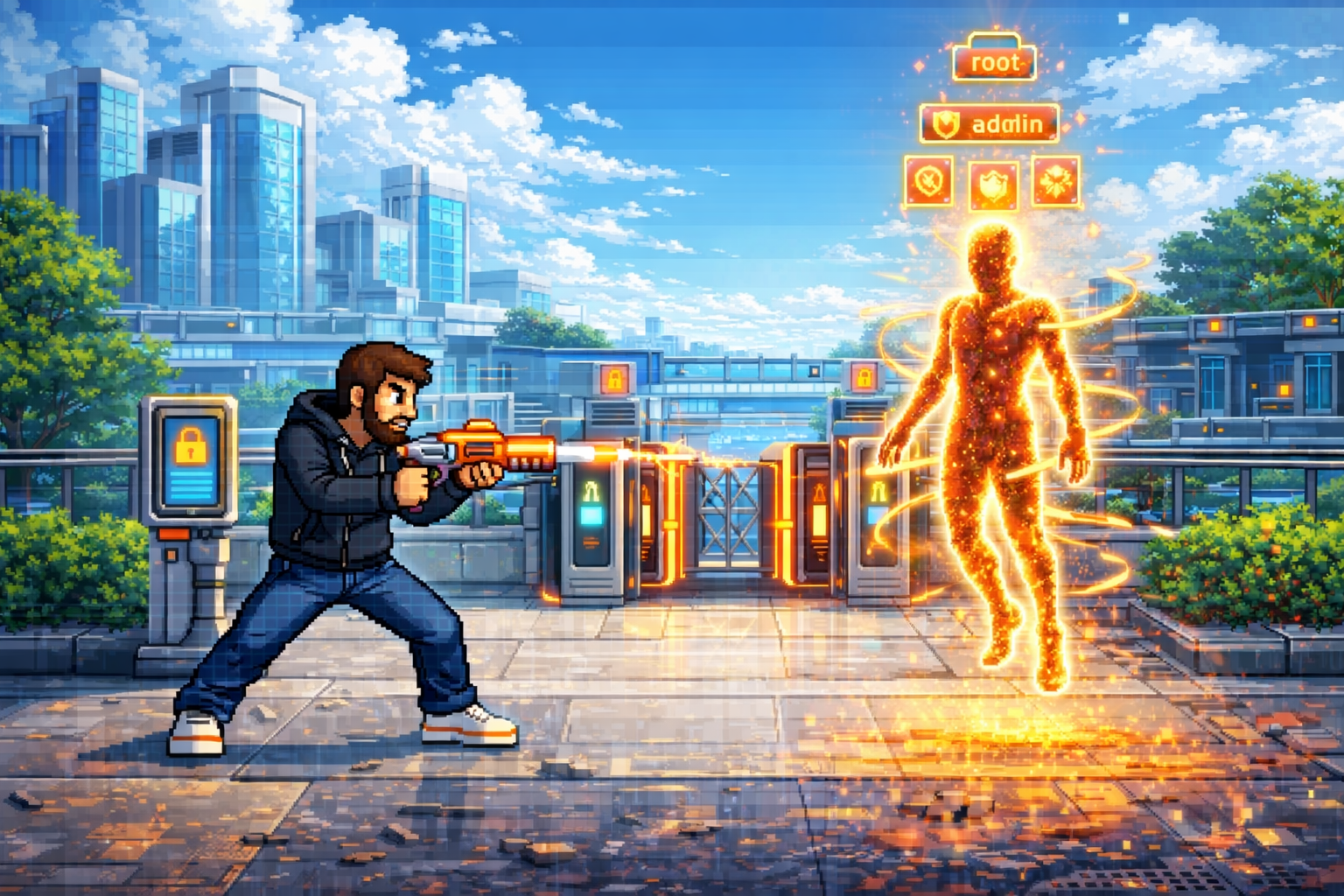
A luminous elevated identity that appears legitimate but carries excessive access. It bypasses control points, bends the environment, and represents the danger of permissions that reach far beyond what should be allowed.
View Details →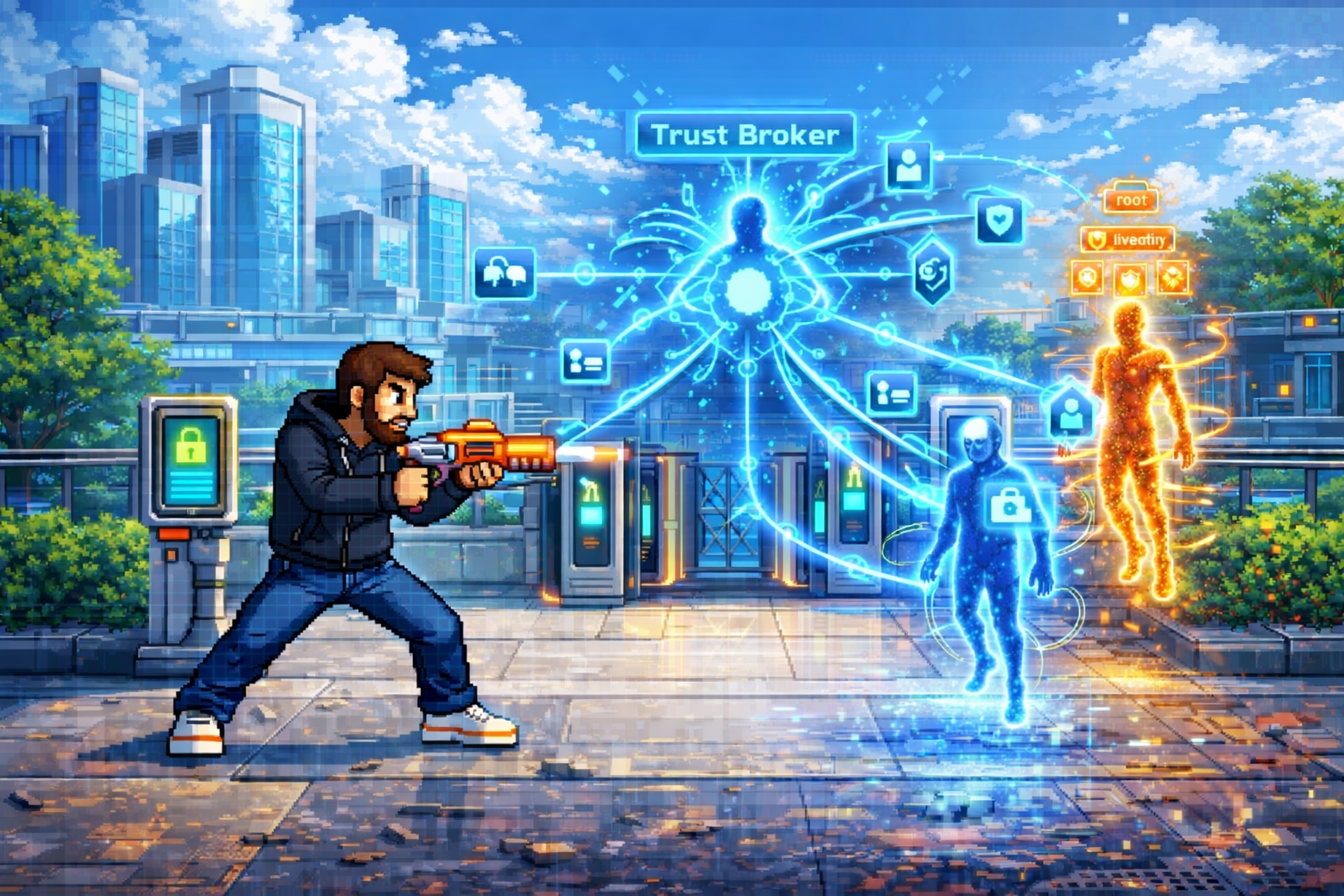
A central identity node that links users, systems, and permissions together. Its danger comes from inherited access, trust chains, and the way it turns isolated risks into connected threats.
View Details →This page is structured to grow into a larger project showcase without needing a redesign.
Character art, enemy concepts, chapter illustrations, environment mockups, and visual studies that establish the project’s tone and identity.
Refined movement, enemy behaviors, scanning mechanics, level interactions, and boss encounters built around each chapter’s core theme.
A future hosted build that turns this concept page into a complete project trail from initial idea to finished interactive experience.